
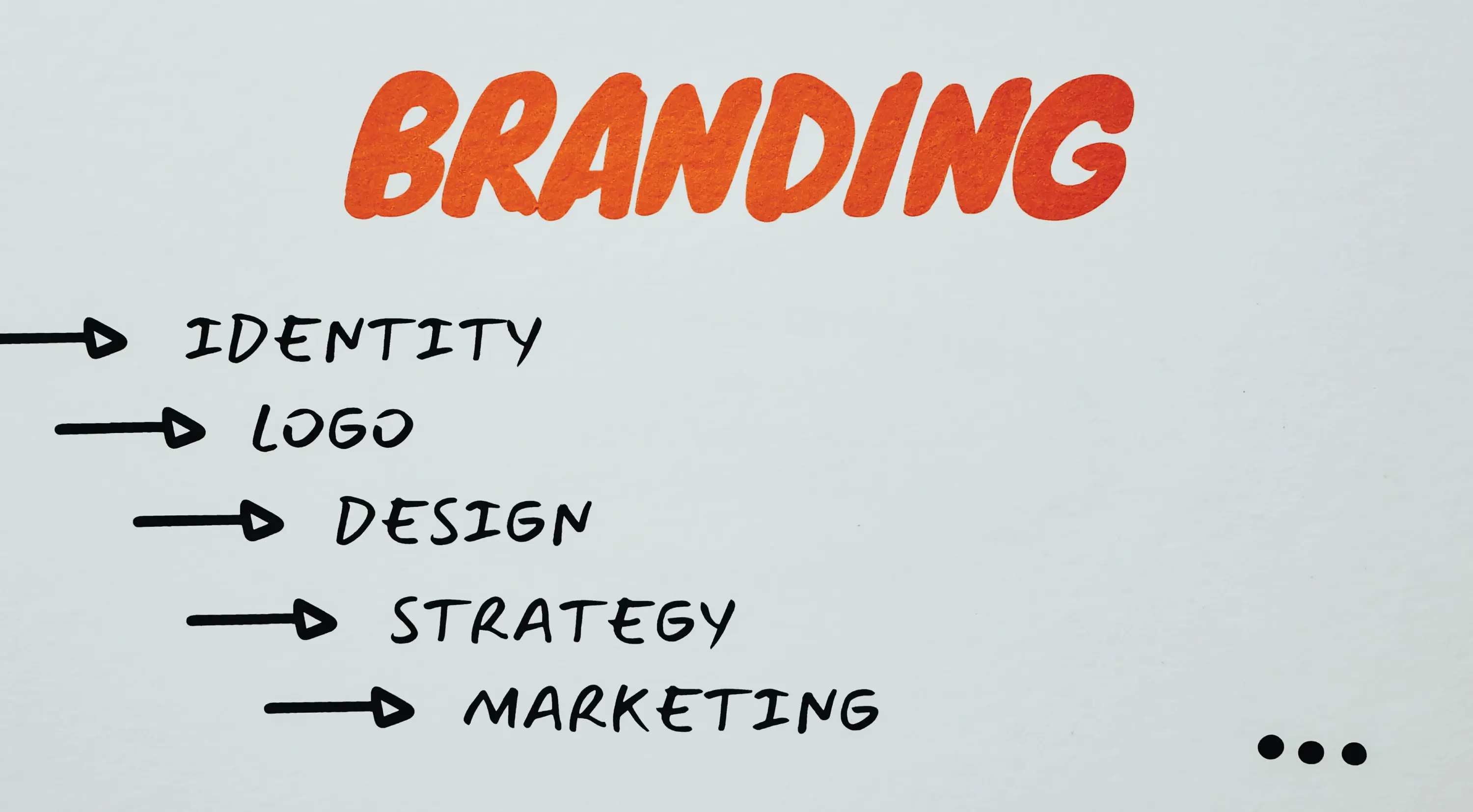
Many small business owners wonder how business branding affects customer trust and sales, especially when they already offer quality products or services. While quality certainly matters, it is rarely the first thing people evaluate. Before someone contacts your business, requests a quote, or makes a purchase, they have already formed an opinion about whether they trust you.
That opinion is often shaped by your branding.
Your logo, website, messaging, colours, and overall presentation all work together to create an impression. Understanding how business branding affects customer trust and sales is important because these first impressions often influence whether a potential buyer continues exploring your business or leaves to consider a competitor.
What Business Branding Really Means
Branding is often misunderstood as a logo, colour palette, or collection of design assets. While those elements are important, they are only part of the picture.
Jeff Bezos famously described branding as "what other people say about you when you're not in the room." It is a simple definition, but it captures the essence of branding remarkably well.
Your brand is the perception people form about your business based on every interaction they have with it. It is shaped by your website, visual identity, messaging, customer experience, online reviews, and reputation. Long before someone becomes a customer, they are already forming opinions about whether your business appears trustworthy, professional, and capable of delivering on its promises.
If you want to improve how customers perceive your business, a professional branding system can help you create consistency across your logo, website, and messaging.
You can explore my branding services to build a stronger and more trustworthy business identity.
For small businesses, strong branding helps create familiarity and confidence. Weak or inconsistent branding creates uncertainty and makes it harder for people to choose you over competitors.
Why Trust Is the Foundation of Sales
Every purchase involves some level of risk. Customers invest money with the expectation that a business will deliver on its promises. Whether someone is hiring a consultant, choosing a web designer, booking a holiday, or purchasing a product online, they want reassurance that they are making the right decision.
This is why trust is so important.
Customers rarely choose businesses they do not trust, regardless of how attractive the offer may be. Before they buy, they look for signals that help them evaluate credibility. These signals include website quality, visual consistency, testimonials, communication style, reviews, and overall professionalism.
Research from the Stanford Web Credibility Project found that 75% of consumers judge a company's credibility based on its website design. This statistic highlights an important reality for modern businesses: people often make decisions about trust before they have spoken to anyone in your company.
Research from Nielsen Norman Group has also shown that users form impressions of websites extremely quickly and are more likely to leave websites that appear difficult to use or unprofessional. In other words, customers are constantly evaluating whether your business feels trustworthy, even during the first few seconds of interaction.
When your branding creates confidence, customers are more willing to continue exploring your website, engage with your content, and eventually take action.
How Branding Influences Customer Trust and Sales
Strong branding influences sales because it reduces friction in the decision-making process. When customers encounter a business that looks professional and consistent, they spend less time questioning whether the company is legitimate and more time evaluating whether the offer meets their needs.
This effect becomes even stronger when branding is consistent across multiple channels. Imagine a potential customer discovers your business through a Google search, visits your website, follows your social media accounts, and later receives an email from your team. If every interaction feels connected and professional, confidence grows. If every interaction feels different, uncertainty increases.
According to HubSpot Research, consistent brand presentation can increase revenue by up to 23%. While branding alone does not create sales, consistency helps customers recognize, remember, and trust a business. That trust makes purchasing decisions easier.
Strong branding can also reduce price sensitivity. Businesses with weak branding often find themselves competing primarily on price because customers struggle to see meaningful differences between competitors. A strong brand creates perceived value and helps customers focus on outcomes rather than cost alone.
This is one reason why some businesses can charge premium rates while others compete in a race to the bottom. Customers are often willing to pay more when they feel confident they are choosing a professional and reliable provider.
How Strong Branding Helped Airbnb Build Customer Trust
One of the best examples of branding influencing trust is Airbnb.
When Airbnb launched, it introduced a concept that many people found uncomfortable. The company was asking travellers to stay in the homes of complete strangers. While the platform solved a genuine need, convincing people to trust the experience was a significant challenge.
To overcome this obstacle, Airbnb invested heavily in creating a consistent and reassuring customer experience. Professional photography, intuitive website design, clear messaging, user reviews, and a recognizable visual identity all worked together to reduce uncertainty. Every interaction reinforced the same message: this is a safe, reliable, and welcoming platform.
Over time, those trust signals helped Airbnb become one of the most recognized travel brands in the world. Customers learned what to expect from the platform, and that predictability made them more comfortable making bookings.
Most small businesses will never operate at Airbnb's scale, but the lesson remains highly relevant. Customers are constantly looking for signals that help them determine whether a business is trustworthy. A professional website, consistent branding, clear communication, and positive customer experiences all contribute to that sense of confidence.
Why Website Design Is Part of Branding
Many business owners treat branding and website design as separate investments. In reality, they work together.
Your website is often the first meaningful interaction a potential customer has with your business. Even the strongest logo cannot compensate for a slow, confusing, or outdated website experience.
Many businesses also need a professional website to fully communicate their brand identity.
You can view my website design services if you're looking to build or improve your business website.
When visitors arrive on your website, they immediately begin evaluating your business. They notice how easy the site is to navigate, whether it works well on mobile devices, how quickly pages load, and whether the overall presentation feels professional.
A well-designed website reinforces branding by creating consistency and improving user experience. It helps customers find information quickly, builds confidence in your professionalism, and makes it easier for visitors to take the next step.
This is why businesses considering a rebrand should also evaluate their website. If your visual identity promises professionalism but your website delivers a frustrating experience, customers receive conflicting signals.
The strongest brands create consistency across every customer touchpoint, and your website is one of the most important touchpoints you have.
Signs Your Branding May Be Costing You Customers
Sometimes branding problems are easy to spot. Other times, they quietly reduce trust without business owners realizing it.
If your website looks outdated, your messaging changes across platforms, your visuals feel inconsistent, or your business communications appear unprofessional, potential customers may be forming negative impressions before you ever have the opportunity to speak with them.
These issues rarely cause dramatic failures on their own. Instead, they create small moments of doubt that accumulate over time. A visitor leaves your website without contacting you. A prospect chooses a competitor. A potential referral decides not to enquire.
When enough of these moments add up, branding starts affecting sales.
Conclusion
Business branding is far more than a logo or colour palette. It influences how customers perceive your business, how much they trust you, and ultimately whether they choose to buy from you.
For small businesses and startups, strong branding can be one of the most effective ways to build trust, stand out from competitors, and increase sales. Combined with a well-designed website, it creates a foundation that supports long-term business growth.
If you're still building your brand, start with the basics. Our guide on how to choose a business name can help you create a stronger foundation before investing in branding and website design.
Want a Brand That Builds Trust?
If you're considering a rebrand or website redesign, now is the perfect time to build a stronger and more consistent online presence that builds trust and attracts customers.
I help small businesses build strong branding and high-performing websites that increase trust, improve visibility, and generate more customer enquiries.
→ Explore professional branding services for small businesses
→ Explore website design services for small businesses
If you're not sure whether your current branding builds trust, I offer a simple review through my branding services.